

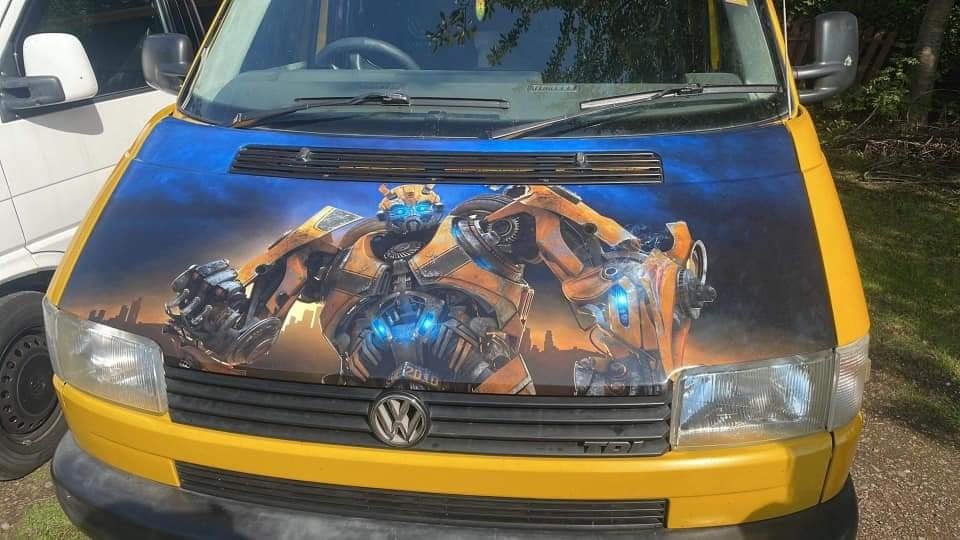
Van signage has become one of the easiest ways for businesses to stay visible. A single vehicle can pass thousands of people a week, making it a natural place to showcase a brand. But not every wrap or decal delivers the same impact. Costs vary widely, design choices matter more than most people expect, and avoidable mistakes can shorten a wrap’s lifespan by years.
Before committing to a design, it helps to understand what affects price, what tends to go wrong, and how to get the most value out of a custom wrap.
Why Van Signage Works So Well
Vehicle graphics remain popular because they combine high visibility with low pressure. They’re constantly seen on the road, they reach the exact community a business serves, and they don’t require ongoing ad spend. For tradesmen, delivery services, and small businesses, vans function as moving billboards, communicating a message every time they stop at lights, park on a job site, or travel through busy routes like Anlaby Road or Beverley Road.
Because of that reach, even small design decisions can influence how often people notice the brand.
Understanding Typical Costs
The price of custom van signage depends on the scope of work. A simple decal with a logo and contact details usually sits at the lower end of the range. A partial wrap covering key areas of the van costs more due to the extra design time and material. A full wrap, where the entire vehicle is covered in custom graphics, represents the highest tier because it requires more vinyl, more printing, and more installation time.
Other factors that influence cost include how detailed the artwork is, how many colours it uses, how many panels need coverage, and the quality of the vinyl. Durable materials cost more upfront, but they tend to withstand rain, wind, and constantly changing weather better than cheaper options.
Common Design Mistakes That Hurt Visibility
According to Hull print design company MatchDesigns, many businesses assume that more information equals better advertising, but this is where design often goes wrong.
Overcrowded layouts make it hard for people to understand the message at a glance. Fonts that look good on a screen may be unreadable at driving distance. Low-resolution logos can appear blurry once enlarged, and colour choices that blend into the van’s paintwork reduce visibility.
Another frequent issue is designing for a flat surface when a van is anything but flat. Wheel arches, door seams, and curved panels can distort text or cut through graphics, problems that mockups often reveal before printing.
Material & Printing Issues to Watch For
Not all vinyl is created equal. Lower-quality materials tend to fade faster, peel around edges, or crack under pressure washers or harsh UV exposure. The printing method also affects how well colours hold up over time. Inconsistent ink application or a thin laminate can cause graphics to appear dull or become damaged after just a few seasons. Cheaper materials may save money upfront, but often result in earlier replacement.
Installation Mistakes That Shorten Lifespan
A clean installation is as important as the design itself. Poorly prepared vehicle surfaces leave behind dirt or moisture, preventing proper adhesion. Inexperienced installers may struggle with complex curves or fail to align panels cleanly. Air bubbles, edge lifting, and creasing often stem from rushed installation rather than the graphics themselves.
A properly installed car wrap bonds tightly to the bodywork, protects the paint underneath, and maintains a smooth finish through everyday use.
How UK Businesses Can Get More Value From Their Van Signage
Businesses that get the best results tend to focus on clarity and consistency. A clean layout with strong contrast is easier to read at a glance in traffic. Limiting the message to essentials, often just the brand name, service, and contact details, helps the design communicate faster. Mockups are essential; they reveal spacing issues or awkward panel transitions that may not appear in a static design.
Matching van graphics with other branding materials, such as shop signs, websites, or uniforms, strengthens recognition. And choosing materials designed for weather resistance helps wraps stay sharper for longer, reducing replacement frequency.
Trades, delivery services, and local retailers often see the most benefit, as their vans travel the same roads their customers use daily.
In conclusion, custom van signage can be a long-lasting, cost-effective way for businesses to improve visibility. Still, the results depend heavily on design quality, material choice, and installation. Avoiding common mistakes and understanding the factors that influence cost helps ensure that a car wrap looks professional, holds up well, and communicates clearly, no matter where the van travels.

Comments are closed.